Observed annually from September 15 through October 15, Hispanic Heritage Month recognizes the many ways Hispanic and Latino Americans have shaped the United States. The Smithsonian’s National Museum of the American Latino highlights contributions ranging from advocacy and art to food and other cultural traditions, while encouraging recognition of these communities beyond the annual observance.
The celebration began as Hispanic Heritage Week in 1968 under President Lyndon Johnson. Twenty years later, President Ronald Reagan expanded it to a month, creating a longer opportunity to explore the people, achievements and traditions that are part of the nation’s shared history.
Its September start carries special meaning. Costa Rica, El Salvador, Guatemala, Honduras and Nicaragua commemorate their independence on September 15. Mexico observes its independence day September 16, followed by Chile on September 18. These dates help explain why the observance spans portions of two calendar months.
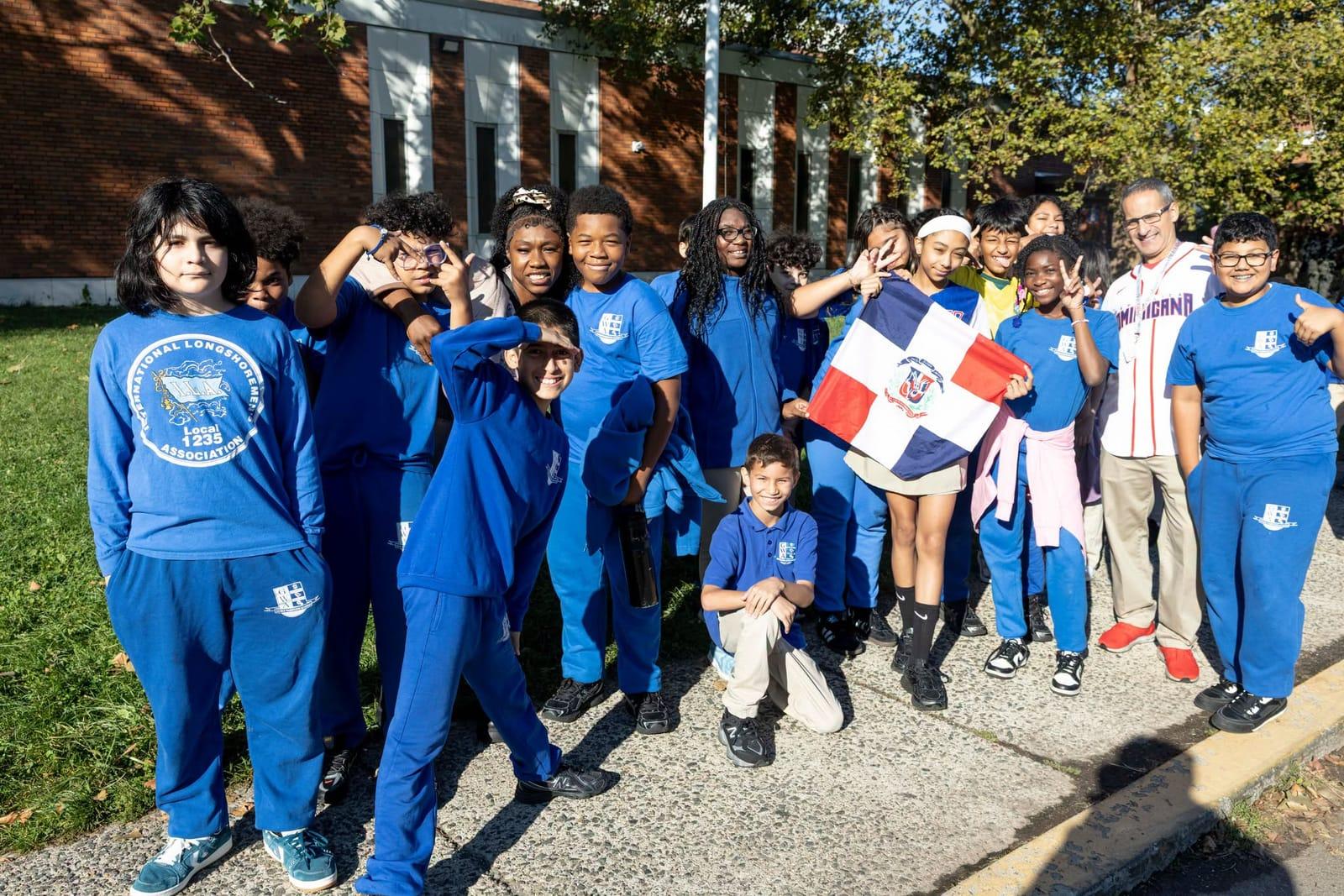
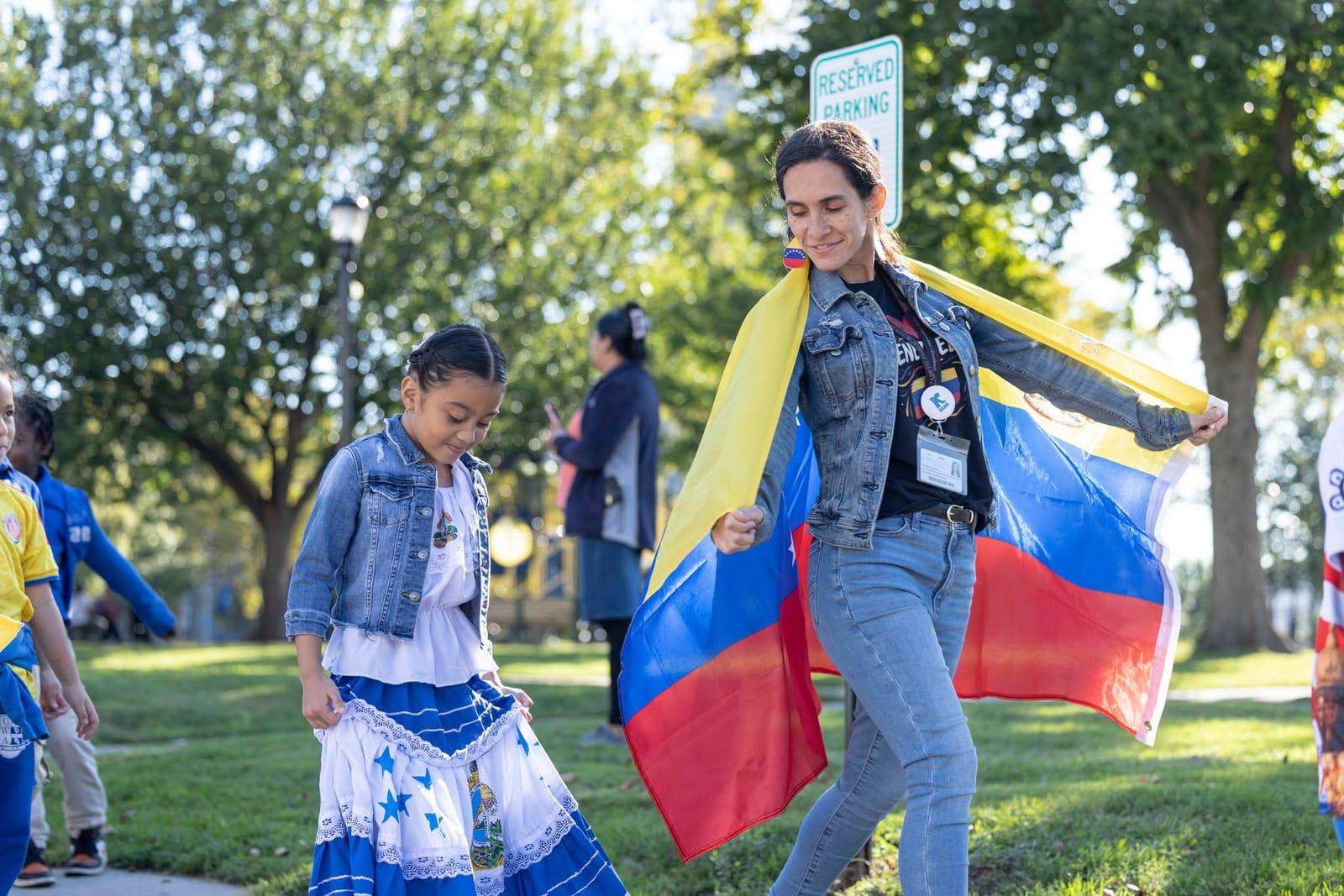
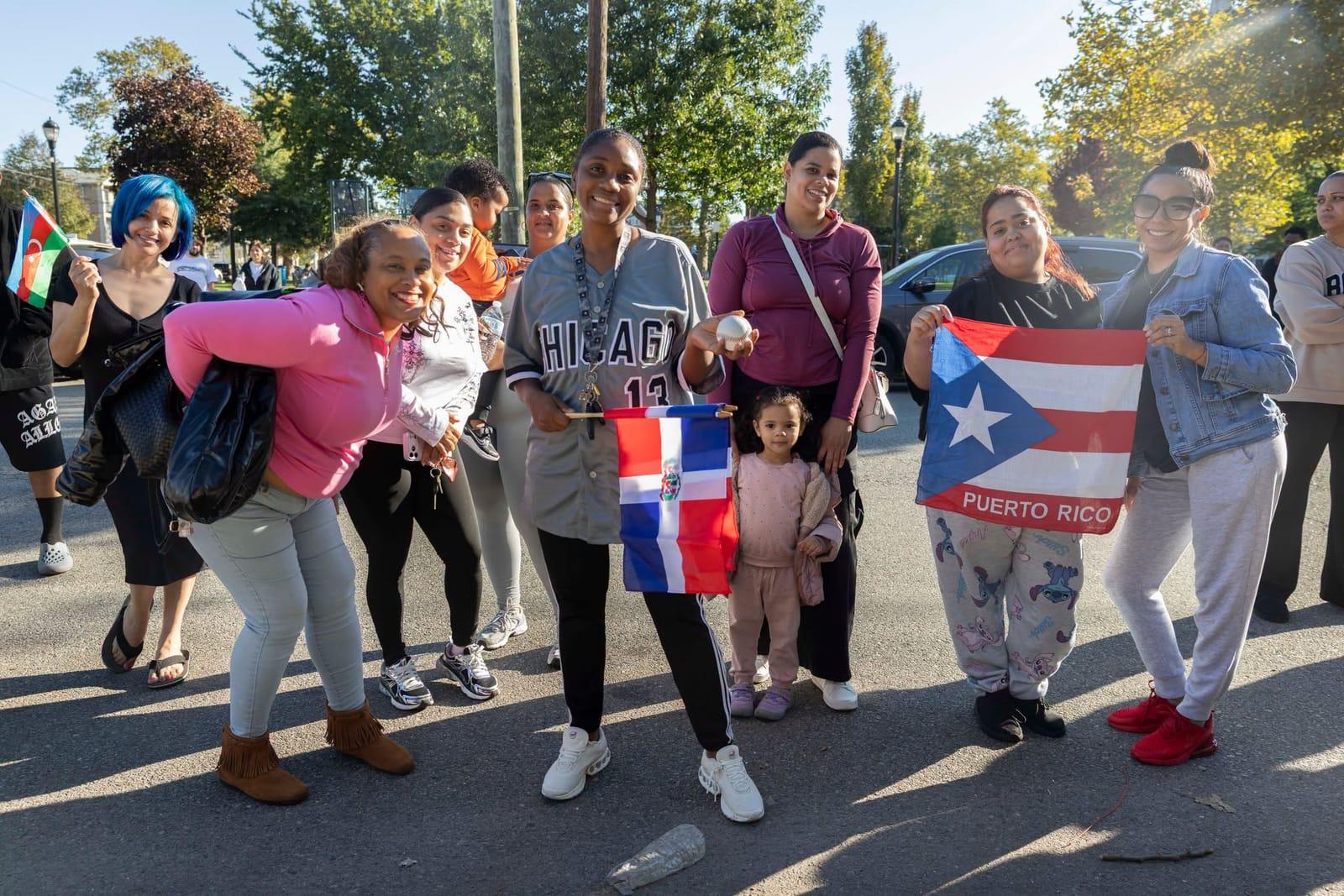
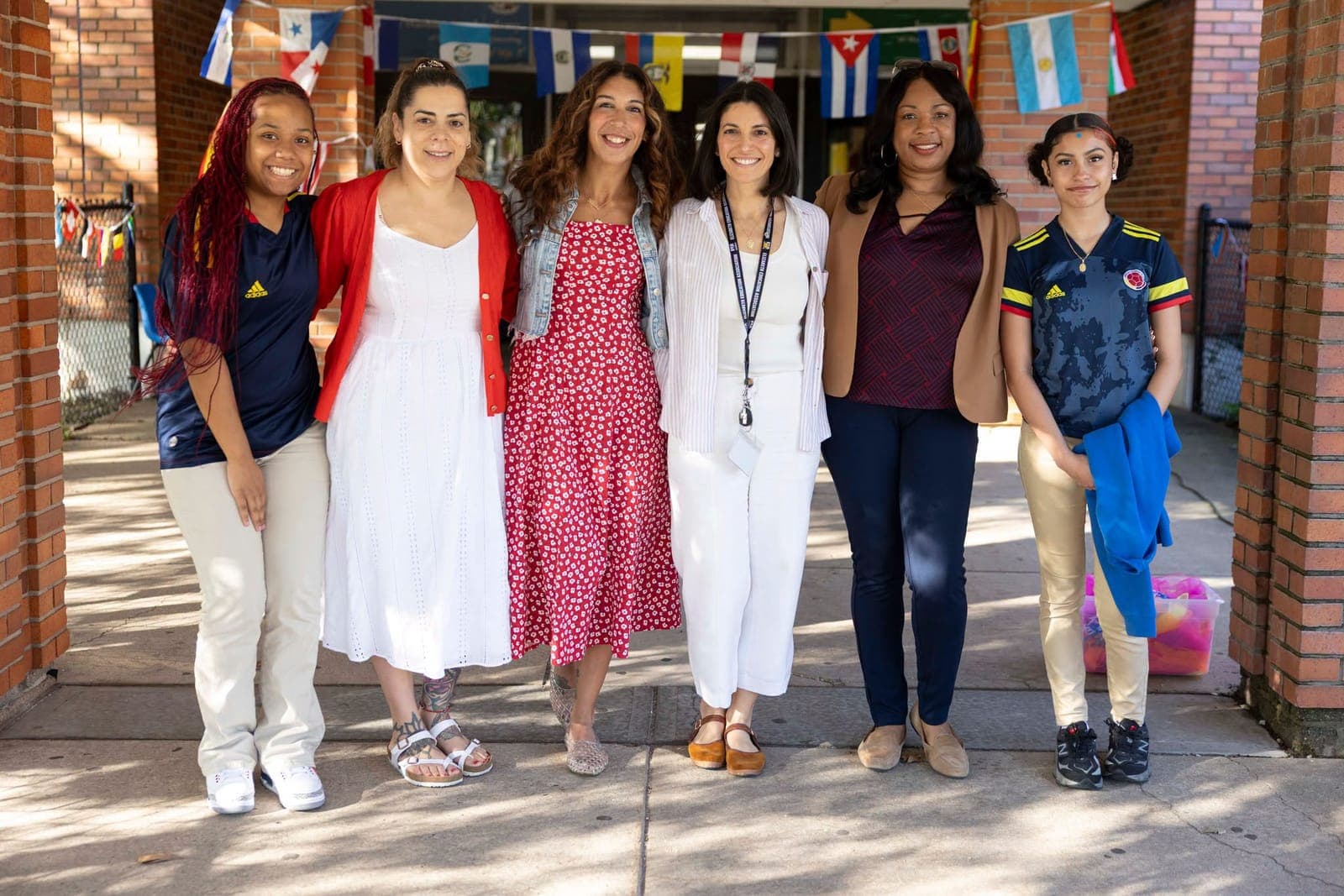
At George Washington Academy, the parade gave that broader celebration a local expression. Flags, clothing and music brought cultural traditions into a shared school activity, with students and staff participating side by side. Rather than limiting the observance to the classroom, the procession carried the celebration into the surrounding community.
Elizabeth Public Schools described the event as an opportunity to recognize the diversity that enriches classrooms and strengthens the school. The district also credited students, families and staff with helping make the celebration meaningful and memorable.
Sources: Elizabeth Public Schools; Smithsonian National Museum of the American Latino; HispanicHeritageMonth.gov.